
Watch on YouTube Subscribe to Best Free Audiobooks
A Farewell to Arms full cast audiobook
by Ernest Hemingway
Released · Updated · 8h 10m · 77 voices
The story (no spoilers)
Frederic Henry, a young American lieutenant driving ambulances for the Italian army, spends the autumn of 1916 in a muddy village near the Isonzo front, where rain, cholera and a stalled offensive wear down the troops marching past his window. Between runs to the mountains, he drinks and jokes with his friend Rinaldi, the restless army surgeon, and talks with the gentle regimental priest, who sees something in the war that Frederic cannot. Then he meets Catherine Barkley, an English nurse still grieving the soldier she meant to marry, and what begins as a casual game of courtship turns into something neither of them planned. When shellfire sends Frederic to a hospital in Milan, with its strict matron, its sympathetic nurses and its long nights, the question becomes how much a man and a woman can hold onto when the war keeps calling him back. Hemingway sets a spare, aching love story against the grinding Italian campaign of the First World War.
The cast
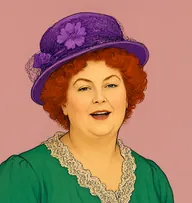
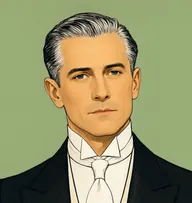
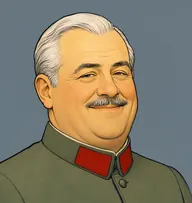
30 speaking roles are listed; walk-on parts are not. Each voice was designed, or chosen from our library of designed voices, to fit how the book describes the character, and it stays with them from the first chapter to the last. Portraits are illustrated impressions of each character.

Frederic Henry
Male, about twenty-four years old, an American serving in Italy in 1917, a middle-class ambulance officer in the Italian army. He speaks General American with a Midwestern evenness. A low, dry, slightly tired baritone, lean and weathered. He speaks slowly in short, plain statements, with understatement. Wry, observant, matter-of-fact and quietly reserved.

Catherine Barkley
Female, about twenty-five years old, an Englishwoman serving as a volunteer nurse in Italy in 1917, from a respectable middle-class family. She speaks with a soft educated English received pronunciation. A low, dry, slightly flat alto, often near a whisper, tall and slender. She speaks at an unhurried, gentle pace. Dutiful, warm, a little unpredictable and quietly intense.

Rinaldi
Male, about twenty-five years old, an Italian surgeon from Amalfi serving as an army lieutenant in 1917, a comfortable middle-class professional. He speaks English with a Southern Italian accent, rolling his r's. A bright, quick, warm tenor-baritone, good-looking and energetic. He speaks swiftly, in eager bursts. Lively, teasing, curious and full of good humor.

Piani
Male, about thirty-two years old, an Italian ambulance driver serving in 1917, a working-class man from Rome. He speaks with a Roman working-class accent. A low, gravelly, rumbling baritone, thickset and often drowsy. He speaks slowly, in a casual drawl with blunt phrasing. Practical, easygoing, sleepy and plainspoken.

Bonello
Male, about thirty-seven years old, an Italian ambulance driver from the Romagna in 1917, a rough working man. He speaks with a Romagnol Italian accent. A nasal, mid-high baritone with a hard edge, wiry build. He speaks fast in clipped, curt phrases. Cynical, brash and blunt, with a dry, coarse humor.

Miss Gage
Female, about thirty-one years old, an American nurse working in a Milan hospital in 1917, middle-class and professional. She speaks General American with a brisk Eastern lilt. A light, bright soprano that often breaks into giggles. She speaks at a quick, chatty pace. Cheerful, practical and teasing.
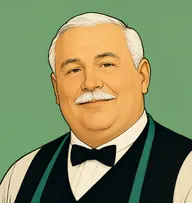
Emilio
Male, about thirty-eight years old, an Italian hotel employee in a northern town in 1918, working-class. He speaks with a Tuscan Italian accent. A mid-range, slightly hoarse baritone, dropped almost to a hush. He speaks quickly and urgently, in lowered tones. Serious, cautious and worried.

Bartolomeo Aymo
Male, about forty-three years old, an Italian ambulance driver from Lombardy in 1917, a working-class countryman. He speaks with a Lombard Italian accent. A deep, warm, mellow bass-baritone, broad and sturdy. He speaks slowly and gently, in a kindly rumble. Considerate, practical and fatherly.

Helen Ferguson
Female, about twenty-eight years old, a Scottish nurse working in Italy in 1917, middle-class and loyal. She speaks with a clear Scottish accent, rolling her r's. A firm, mid-low, slightly rough mezzo-soprano. She speaks in direct, dry, measured sentences. Blunt, sharp and loyal, with feeling close beneath.
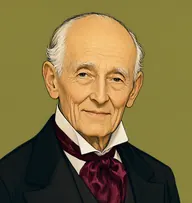
Count Greffi
Male, about ninety-four years old, an Italian aristocratic count living at a lake hotel in 1918, wealthy and courtly. He speaks careful, formal English with a refined northern Italian accent. A thin, frail, papery tenor, very old. He speaks slowly and gently, choosing each word. Gracious, reflective and quietly amused.

Ettore Moretti
Male, about twenty-six years old, an Italian-American from San Francisco serving as an officer in the Italian army in 1918, working-class origin. He speaks with a brash San Francisco American accent. A bright, loud, high baritone, swaggering. He speaks fast and boastfully. Cocky, teasing and full of himself.

Passini
Male, about thirty-two years old, an Italian living in northern Italy in 1917, a working-class conscript ambulance driver. He speaks with a regional northern Italian accent, in English with Italian cadence. His voice is a dry, medium-low baritone, a little rough and nasal, from a stocky, weathered build. He speaks at a measured pace with sardonic emphasis, turning respectful when addressing officers. Sarcastic, opinionated and plain-spoken, with a tired, wry streak.
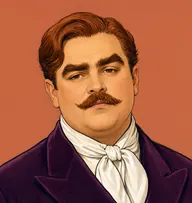
Simmons
Male, about twenty-nine years old, an American opera student singing in Milan in 1917, middle-class. He speaks in a cultivated Boston-tinged American accent. A rich, full, theatrical baritone with good breath control. He speaks in grand, rounded phrases at a pompous pace. Boastful, sardonic and vain.
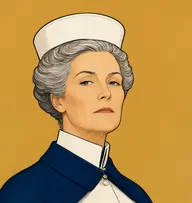
Miss Van Campen
Female, about fifty-five years old, an American hospital superintendent in Milan in 1917, from an upper-class New England family. She speaks with a stiff Boston Brahmin accent. A firm, cool, low contralto, tall and rigid. She speaks slowly and crisply, each word deliberate. Stern, disapproving and class-conscious.

Manera
Male, about twenty-seven years old, an Italian ambulance driver from Venice in 1917, a working-class man. He speaks with a Venetian Italian accent. A light, quick, easy baritone. He speaks rapidly, with jokes tossed in. Jokey, practical and skeptical about the war.

Gino
Male, about twenty-four years old, an Italian front-line soldier from Piedmont in 1917, from a modest family. He speaks with a Piedmontese Italian accent. A clear, firm, mid-range tenor. He speaks steadily and earnestly, with careful emphasis. Patriotic, candid and kind.

Gavuzzi
Male, about thirty-four years old, an Italian ambulance driver from Genoa in 1917, a working-class man. He speaks with a Ligurian Italian accent. A dry, husky, flat mid-baritone. He speaks briskly and without feeling, in a monotone. Skeptical, laconic and practical.

Meyers
Male, about fifty-eight years old, an American racegoer living in Milan in 1917, a well-off middle-class man. He speaks with a gravelly New York accent. A dry, creaky, mid-low baritone, stout and aging. He speaks slowly, sparingly. Guarded, reluctant and dryly cautious.
Mrs. Meyers
Female, about fifty-five years old, an American woman living in Milan in 1917, comfortable middle-class. She speaks with a warm Midwestern American accent. A high, gushing, slightly fluttery soprano, plump. She speaks very fast and nonstop, repeating herself. Effusive, motherly and chatty.

Mrs. Walker
Female, about fifty-two years old, a night nurse in a Milan hospital in 1917, middle-class. She speaks with a thin, fussy English accent. A reedy, nasal mid-high voice, near-sighted and flustered. She speaks in clipped, prim sentences at a flustered pace. Rigid, rule-bound and unhelpful.

Guttingen
Male, about fifty years old, a hotel keeper in a Swiss mountain village in 1917, a hospitable middle-class man. He speaks English with a Swiss German accent. A warm, round, medium baritone, sturdy. He speaks slowly and politely with careful pronunciation. Kind and hospitable.
George
Male, about forty-two years old, a head-waiter in a Milan restaurant in 1917, working-class but polished. He speaks English with a Milanese Italian accent. A smooth, discreet, mid-low baritone. He speaks softly and evenly, with a courteous pace. Helpful and quietly amused.

Mac
Male, about thirty-four years old, an American vice-consul in Milan in 1917, an upper-middle-class diplomat. He speaks with a patrician mid-Atlantic American accent. A light, dry, drawling tenor. He speaks easily and lazily, with teasing. Amused and ironic.

Dr. Valentini
Male, about forty-six years old, an Italian surgeon and major in a Milan hospital in 1917, a confident professional. He speaks English with a booming Tuscan Italian accent. A hearty, full, loud baritone, barrel-chested. He speaks briskly and cheerfully. Jovial, confident and fond of a drink.

Rocca
Male, about thirty-eight years old, an Italian army officer in the mess in 1917, middle-class. He speaks English with a Roman Italian accent. A dry, even mid-baritone. He speaks slowly and pedantically, explaining carefully. Smug, teasing and long-winded.

Edgar Saunders
Male, about thirty-one years old, an American tenor singing in Italian opera houses in 1917, middle-class. He speaks with a nasal Chicago accent. A high, bright, slightly pinched tenor. He speaks quickly and casually, with a shrug. Easygoing and wisecracking.

Crowell Rodgers
Male, about nineteen years old, an American soldier recovering in a Milan hospital in 1917, from a modest family. He speaks with a soft Texan drawl. A light, youthful, warm tenor. He speaks eagerly and loosely. Cheerful, keen on the races and good-natured.

Gordini
Male, about twenty-one years old, an Italian ambulance driver from Sicily in 1917, a working-class man. He speaks with a Sicilian Italian accent. A soft, light, hesitant tenor. He speaks quietly and haltingly. Shy, willing and nervous.

Aldo
Male, about thirty years old, an Italian driver at a dressing station in 1917, a working-class man from Apulia. He speaks with an Apulian Italian accent. A flat, mid-range, slightly nasal baritone. He speaks tersely and quickly, reporting figures. Matter-of-fact and weary.
Bassi Fillippo
Male, about thirty years old, an Italian officer in an army mess in 1917, middle-class. He speaks English with a Bolognese Italian accent. A smooth, light baritone. He speaks pleasantly and unhurriedly. Polite, friendly and easygoing.
Chapters
41 chapter markers; each link opens the video on YouTube at that point.
- Book 1, Chapter 1
- Book 1, Chapter 2
- Book 1, Chapter 3
- Book 1, Chapter 4
- Book 1, Chapter 5
- Book 1, Chapter 6
- Book 1, Chapter 7
- Book 1, Chapter 8
- Book 1, Chapter 9
- Book 1, Chapter 10
- Book 1, Chapter 11
- Book 1, Chapter 12
- Book 2, Chapter 13
- Book 2, Chapter 14
- Book 2, Chapter 15
- Book 2, Chapter 16
- Book 2, Chapter 17
- Book 2, Chapter 18
- Book 2, Chapter 19
- Book 2, Chapter 20
- Book 2, Chapter 21
- Book 2, Chapter 22
- Book 2, Chapter 23
- Book 2, Chapter 24
- Book 3, Chapter 25
- Book 3, Chapter 26
- Book 3, Chapter 27
- Book 3, Chapter 28
- Book 3, Chapter 29
- Book 3, Chapter 30
- Book 3, Chapter 31
- Book 3, Chapter 32
- Book 4, Chapter 33
- Book 4, Chapter 34
- Book 4, Chapter 35
- Book 4, Chapter 36
- Book 4, Chapter 37
- Book 5, Chapter 38
- Book 5, Chapter 39
- Book 5, Chapter 40
- Book 5, Chapter 41
About this recording
- Narrator
- Told in Frederic Henry's own character voice
- Runtime
- 8h 10m (complete and unabridged)
- Voices
- 77
- Channel
- Best Free Audiobooks on YouTube
- Released
- Updated
- Author
- Ernest Hemingway
- First published
- 1929
- Kind
- war/romance novel
- Source edition
- Project Gutenberg eBook #75201
- Public domain (US)
- A Farewell to Arms (1929) by Ernest Hemingway is in the public domain in the United States; text from Project Gutenberg.