
Watch on YouTube Subscribe to Full Cast Audiobooks
The Documents in the Case full cast audiobook
by Dorothy L. Sayers
Released · Updated · 7h 12m · 36 voices
The story (no spoilers)
John Munting, a young writer with more ambition than income, shares a top-floor maisonnette in Bayswater with the painter Harwood Lathom, and the household beneath them draws him in. Downstairs live George Harrison, a fastidious older man with a passion for cooking, his much younger wife Margaret, and her anxious live-in companion, Miss Milsom. Then Harrison is found dead after eating a dish of wild mushrooms, a poisonous species he of all people could not have mistaken. The verdict is accidental poisoning, and London's authorities are content to let it rest. Harrison's son Paul is not. He turns to Munting, and together they gather the letters, statements and scraps of paper that passed through the house in the months before the death. Chemists and a leading forensic expert are called in, but the answer lies in whether these ordinary papers can be made to tell a different story from the official one.
The cast
21 speaking roles are listed; walk-on parts are not. Each voice was designed, or chosen from our library of designed voices, to fit how the book describes the character, and it stays with them from the first chapter to the last. Portraits are illustrated impressions of each character.

Munting
Male, about thirty-two years old, an Englishman living in London in 1927, a middle-class novelist. He speaks with a light educated London accent, relaxed received pronunciation. His voice is a warm, easy mid-range baritone, slightly nasal when nervous. He speaks at an unhurried, conversational pace with a dry, self-mocking tone. Wry, sociable, honourable and a little awkward in embarrassing moments.
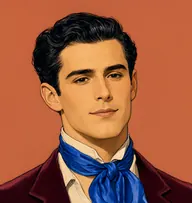
Harwood Lathom
Male, about twenty-seven years old, an Englishman living in London in 1927, a middle-class painter with bohemian manners. He speaks with an artistic, drawling London accent, a little affected received pronunciation. His voice is a brighter, higher tenor, quick and slightly breathy. He speaks fast and earnestly in theorising bursts, terse when pressed. Confident, charming, sarcastic and restless.
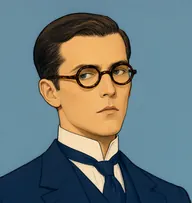
Paul Harrison
Male, about twenty-eight years old, an Englishman living in London in 1927, a middle-class civil engineer. He speaks with a clean, educated southern English accent, in a light, tight baritone with a slightly nasal edge from a lean build. His pace is stiff, precise and formal, with a cold tone that turns sharp. Proud, reserved and touchy, quick to anger, and unhappy beneath the stiffness.
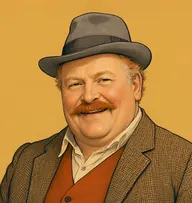
Dr. Waters
Male, about fifty years old, an Englishman living in London in 1927, a middle-class Home Office scientist, large, stout and red-faced. He speaks with a hearty bluff London accent. His voice is a booming, resonant bass, big-chested and rich. He speaks quickly with jolly, explanatory emphasis. Boisterous, hearty, a little patronising and fond of the dramatic touch.
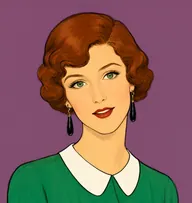
Margaret Harrison
Female, about thirty-four years old, an Englishwoman living in suburban London in 1927, a middle-class office worker. She speaks with a bright, lively London middle-class accent. Her voice is a light, quick mezzo, often laughing. She talks fast and chattily, running on about whatever she has read. Sociable, restless, touchy when pressed, fond of company.
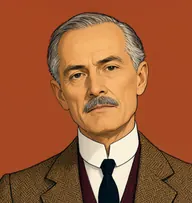
George Harrison
Male, about fifty-six years old, an Englishman living in London in 1927, a well-off middle-class professional man of settled habits. He speaks in a dry, educated upper-middle-class English accent, with a low, slightly rasping baritone, heavy-set and a little weary. He talks at a measured, clipped pace, sarcastic and stern, courteous on the surface. Irritable, proud and tense, yet fond of country lore.
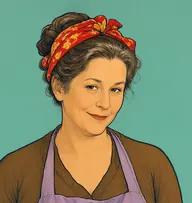
Mrs. Cutts
Female, about fifty-two years old, a Cockney woman living in London in 1927, a working-class charwoman. She speaks in a broad Cockney accent, dropping her aitches. Her voice is a rough, low-pitched, hoarse alto, sometimes dropping to a whisper. She speaks slowly and wheedlingly, repeating herself with a deferential sir. Sly, insinuating, prying and fawning.
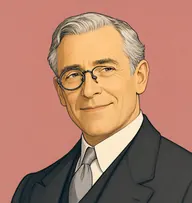
Sir James Lubbock
Male, about sixty-two years old, an Englishman in London in 1927, an upper-middle-class eminent government analyst with a handsome grey head. He speaks with polished, courteous received pronunciation. His voice is a smooth, soft, light baritone, slightly dry with age. He speaks slowly, precisely and in formal measured sentences. Courteous, careful and mildly amused.
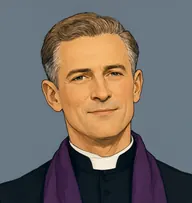
Theodore Perry
Male, about forty years old, an Englishman in a country parish in 1927, a middle-class Church of England vicar who served through the War. He speaks with a warm Oxford-educated accent, gentle received pronunciation. His voice is a mellow, full baritone, kindly and sporty. He speaks at a calm, easy pace, reasonable and earnest. Hospitable, enlightened and firm in faith.
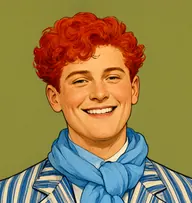
Leader
Male, about twenty-two years old, an Englishman who has just left Cambridge in 1927, an upper-middle-class science graduate. He speaks with a public-school drawl, breezy received pronunciation. His voice is a bright, loud, high tenor, bouncy and carrying. He speaks very fast and cheerfully, full of old boy and old man. Hearty, high-spirited and cocksure.
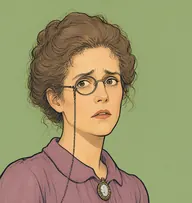
Miss Milsom
Female, about thirty-eight years old, an Englishwoman in London in 1927, a lower-middle-class unmarried lodger and companion. She speaks with a genteel, anxious southern English accent. Her voice is a thin, high, breathy soprano. She speaks fast and gushingly, fussy and babbling, politely apologetic. Talkative, devoted, over-eager and anxious.
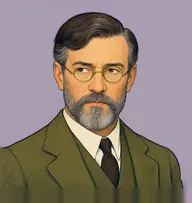
Matthews
Male, about forty-five years old, an Englishman at a university in 1927, an upper-middle-class biologist and professor. He speaks with an educated Lancashire accent, plain and flat-vowelled. His voice is a medium, nasal, slightly rasping baritone. He speaks at a steady pace with a provocative, friendly edge. Argumentative, reflective and good-humoured.
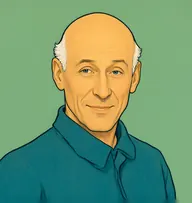
Hoskyns
Male, about fifty-two years old, an Englishman at a university in 1927, an upper-middle-class physicist, long, thin and bald, a heavy pipe smoker. He speaks with a lazy Oxford drawl, upper-class received pronunciation. His voice is a dry, husky, gravelly tenor. He speaks slowly and sardonically, grinning through his words. Genial, witty and cynical about the press.

Marlowe
Male, about fifty-eight years old, a Scotsman living in London in 1927, a successful middle-class painter with a big beard and spectacles. He speaks with a broad Glaswegian Scots accent. His voice is a huge, roaring bass, rough and carrying. He speaks loudly and bluntly, fast and bellowing. Domineering, blunt and generous to young painters.
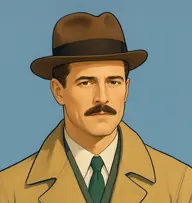
Dr. Hughes
Male, about forty-eight years old, a Welshman practising in England in 1927, a middle-class family doctor. He speaks with a light South Welsh accent. His voice is a brisk, lilting, mid-high tenor. He speaks quickly and matter-of-factly, giving instructions. Confident, practical and brisk.
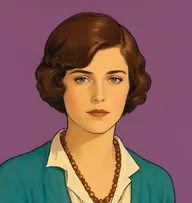
Elizabeth Drake
Female, about thirty years old, an Englishwoman living in London in 1927, a middle-class writer. She speaks with crisp, educated received pronunciation. Her voice is a low, clear contralto, smooth and steady. She speaks at a measured pace, politely and sensibly. Open-minded, generous and composed.
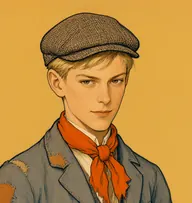
Archie Cutts
Male, about eighteen years old, Archie, a Cockney charwoman's son running errands around the studios in London in 1927, working-class and shrewd. He speaks with a broad Cockney accent, dropping the aitches. His voice is a light, bright, clear tenor, slim and quick. He speaks politely and matter-of-factly, shrewd and businesslike.
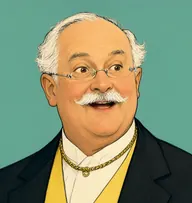
Merritt
Male, about sixty-seven years old, an Englishman in London in 1927, an upper-middle-class publisher. He speaks with an old-fashioned fruity Edwardian London accent. His voice is a reedy, quavering, slightly high baritone. He speaks slowly and fussily, though he grows excitable about sales. Genial, enthusiastic and a little vague.
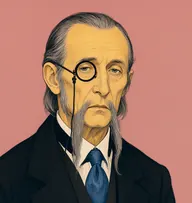
Sir Gilbert Pugh
Male, about sixty years old, an Englishman in London in 1927, an upper-class senior law officer. He speaks with clipped, authoritative received pronunciation. His voice is a deep, gravelly baritone, firm and dry. He speaks in curt, commanding, brisk sentences. Decisive, stern and efficient.
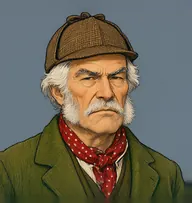
Halkett
Male, about sixty-six years old, an Englishman from the West Country living in London in 1927, a middle-class elderly painter. He speaks with a gruff West Country burr. His voice is a low, rumbling, gravelly bass. He speaks very slowly in short grunting phrases. Gruff, dour and sparing with praise.
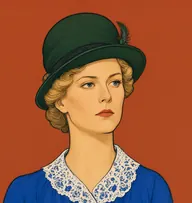
Mrs. Munting
Female, about thirty-one years old, a Scotswoman living in London in 1927, a middle-class wife. She speaks with a soft educated Edinburgh Scots accent. Her voice is a warm, higher, slightly husky mezzo-soprano. She speaks directly and earnestly, with rising feeling. Compassionate, morally firm and sharp with her husband.
Chapters
52 chapter markers; each link opens the video on YouTube at that point.
- Introduction
- Chapter 1: Agatha Milsom to Olive Farebrother
- Chapter 2: The Same to the Same
- Chapter 3: The Same to the Same
- Chapter 4: The Same to the Same
- Chapter 5: John Munting to Elizabeth Drake
- Chapter 6: The Same to the Same
- Chapter 7: The Same to the Same
- Chapter 8: The Same to the Same
- Chapter 9: The Same to the Same
- Chapter 10: Agatha Milsom to Olive Farebrother
- Chapter 11: John Munting to Elizabeth Drake
- Chapter 12: The Same to the Same
- Chapter 13: The Same to the Same
- Chapter 14: The Same to the Same
- Chapter 15: George Harrison to Paul Harrison
- Chapter 16: Agatha Milsom to Olive Farebrother
- Chapter 17: John Munting to Elizabeth Drake
- Chapter 18: Agatha Milsom to Olive Farebrother
- Chapter 19: The Same to the Same
- Chapter 20: George Harrison to Paul Harrison
- Chapter 21: Agatha Milsom to Olive Farebrother
- Chapter 22: John Munting to Elizabeth Drake
- Chapter 23: The Same to the Same
- Chapter 24: George Harrison to Paul Harrison
- Chapter 25: Note by Paul Harrison
- Chapter 26: Harwood Lathom to John Munting
- Chapter 27: John Munting to Elizabeth Drake
- Chapter 28: The Same to the Same
- Chapter 29: Note by Paul Harrison
- Chapter 30: John Munting to Elizabeth Drake
- Chapter 31: The Same to the Same
- Chapter 32: The Same to the Same
- Chapter 33: Agatha Milsom to Elizabeth Drake
- Chapter 34: Elizabeth Drake to John Munting
- Chapter 36: George Harrison to Paul Harrison
- Chapter 37: Statement of John Munting
- Chapter 38: Margaret Harrison to Harwood Lathom
- Chapter 39: The Same to the Same
- Chapter 40: The Same to the Same
- Chapter 41: The Same to the Same
- Chapter 42: The Same to the Same
- Chapter 43: The Same to the Same
- Chapter 44: The Same to the Same
- Chapter 45: Statement of John Munting [Continued.]
- Chapter 46: Margaret Harrison to Harwood Lathom
- Chapter 47: Extract from the “Morning Express” of Tuesday, October 21st, 1929
- Chapter 49: Statement by Paul Harrison
- Chapter 50: John Munting to Paul Harrison
- Chapter 51: Statement of Paul Harrison [Continued]
- Chapter 52: Statement of John Munting
- Chapter 53: Note by Paul Harrison
About this recording
- Narrator
- Told in Munting's own character voice
- Runtime
- 7h 12m (complete and unabridged)
- Voices
- 36
- Channel
- Full Cast Audiobooks on YouTube
- Released
- Updated
- Author
- Dorothy L. Sayers
- First published
- 1930
- Kind
- multi voice novel
- Source edition
- Project Gutenberg eBook #77601
- Public domain (US)
- The Documents in the Case by Dorothy L. Sayers is in the public domain in the United States; text from Project Gutenberg.